2026-08-26
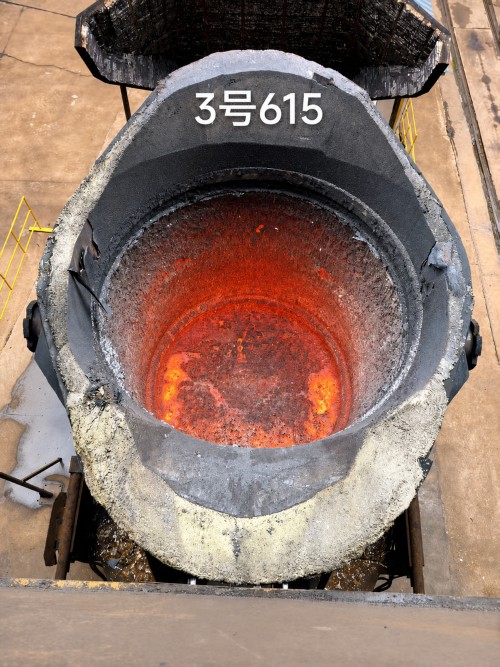
Selecting Refractory Materials for Converter Maintenance
A practical guide to service temperature, slag chemistry, thermal cycling and repair strategy when selecting converter refractory materials.
Read article →
Practical information about refractory materials, kiln engineering and metallurgical maintenance.
A practical guide to service temperature, slag chemistry, thermal cycling and repair strategy when selecting converter refractory materials.
Read article →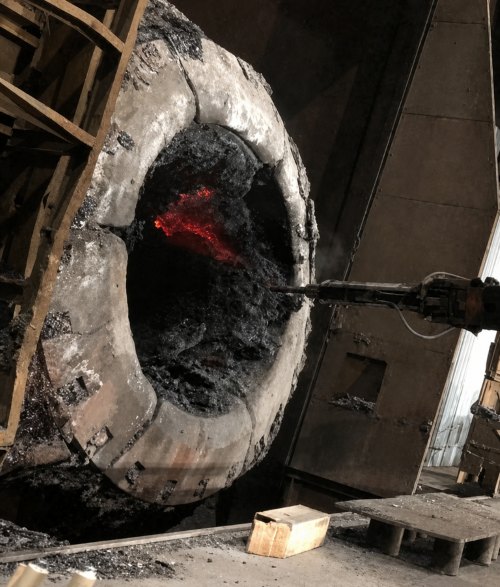
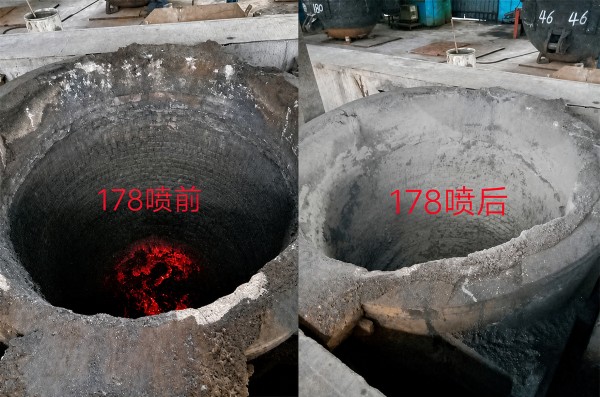
Anti-slagging coatings form a protective separation layer that can reduce adhesion and shorten cleaning work around high-temperature equipment.
Read article →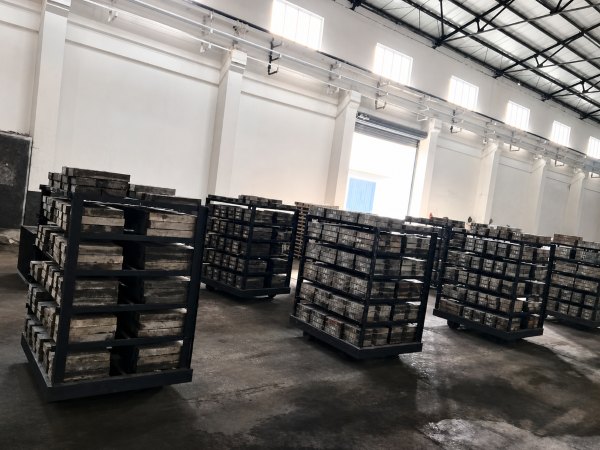
Ceramic wear-resistant linings protect flues, elbows and hoppers from continuous abrasion by dust-laden gas and granular materials.
Read article →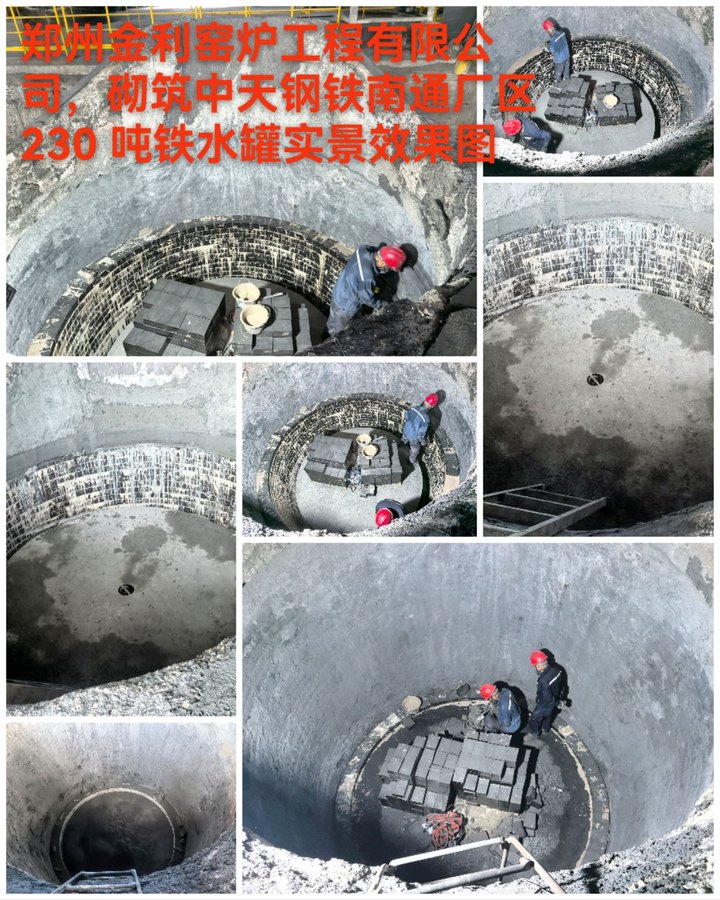
Alumina-silicon carbide-carbon bricks combine erosion resistance, thermal-shock stability and oxidation control for demanding hot-metal service.
Read article →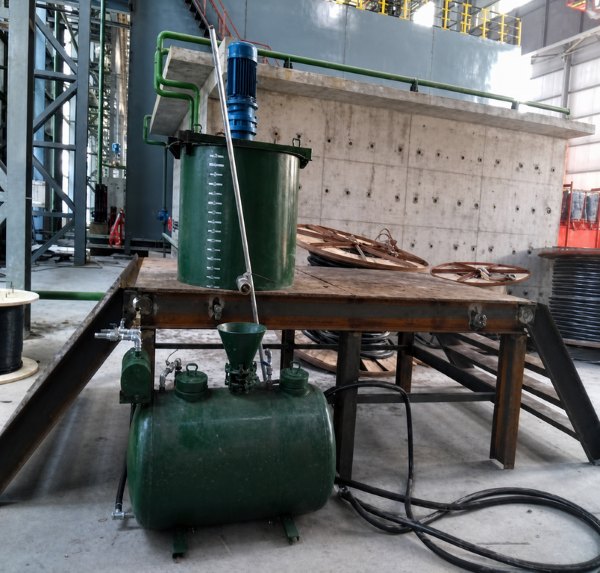
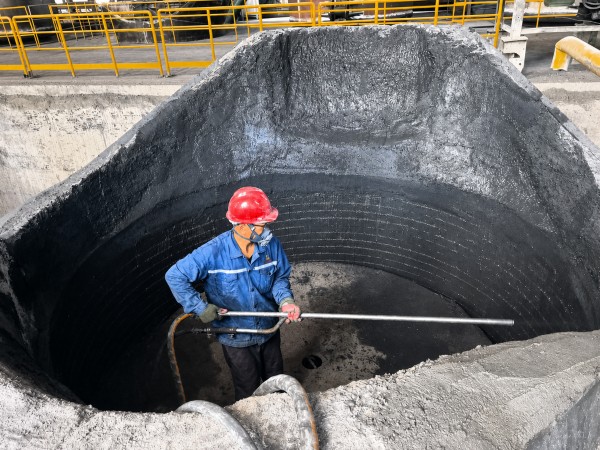
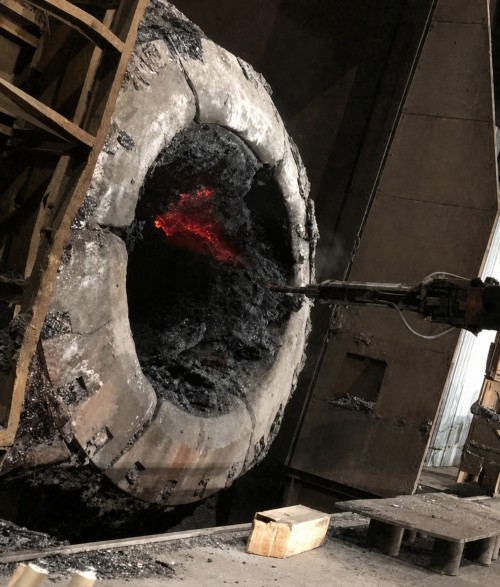
A disciplined hot-repair plan helps restore lining thickness while reducing maintenance time and unnecessary refractory consumption.
Read article →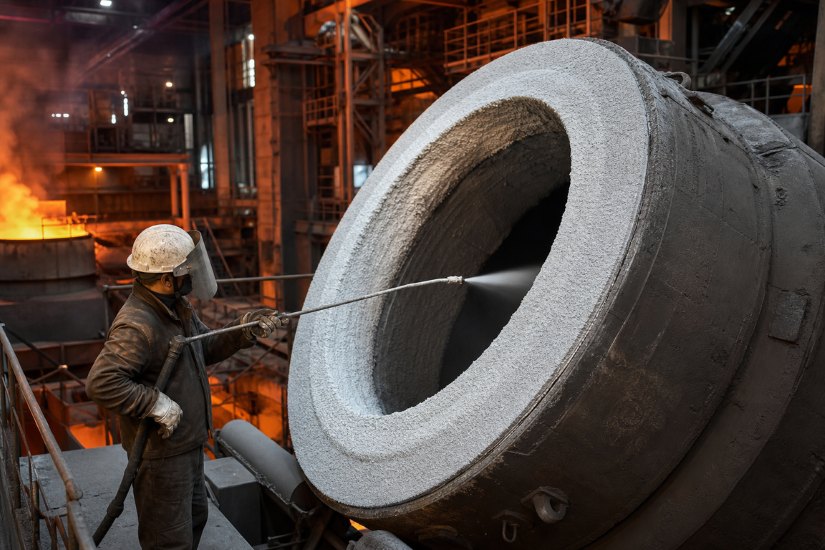
Lightweight insulation spray coatings use low-density aggregates to improve thermal efficiency without placing excessive load on furnace structures.
Read article →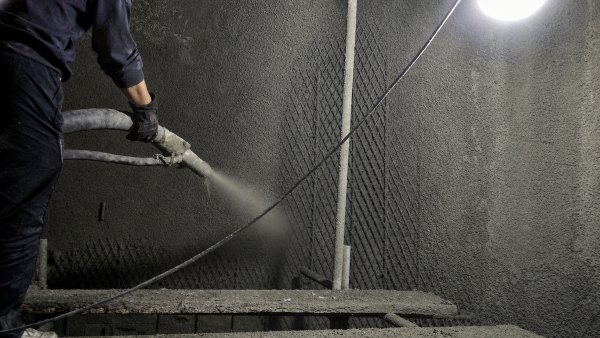
Repeated heating and cooling can cause cracking, spalling and loss of lining integrity even when peak service temperature is within specification.
Read article →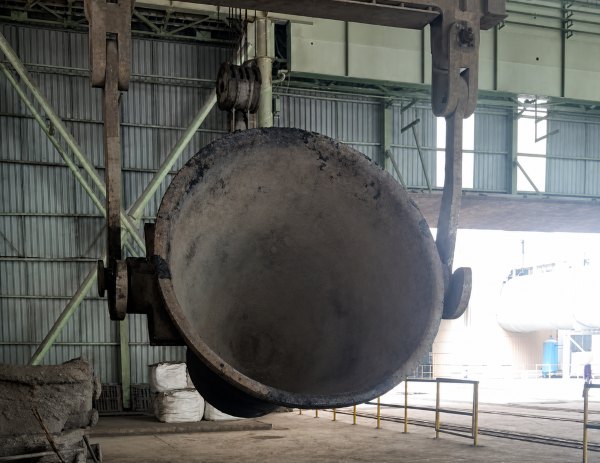
Regular inspection and suitable release coatings can reduce slag build-up, improve turnaround and make cleaning work safer.
Read article →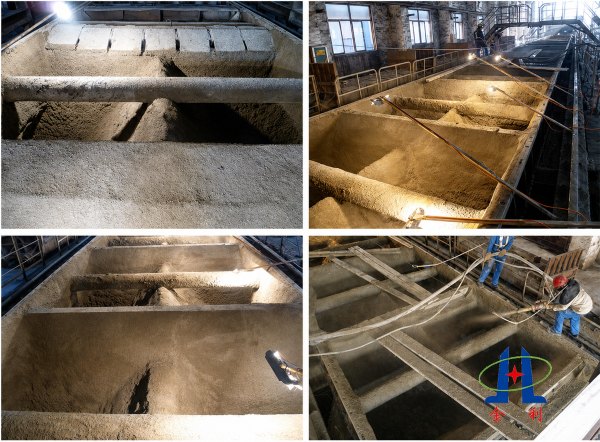
PZS wear-resistant spray coating provides a bonded ceramic protection layer for main flues, wind boxes, elbows and severe abrasion zones.
Read article →